The Sarasota criminal court process usually moves through six stages: arrest and booking, a first appearance before a judge within 24 hours, arraignment, discovery and pretrial hearings, a plea or trial, and sentencing if there is a conviction. In Sarasota County, criminal cases are heard downtown on Ringling Boulevard at the Judge Lynn N. Silvertooth Judicial Center (2002 Ringling Blvd.) and the neighboring Criminal Justice Center, while many South County cases are heard at the South County Courthouse in Venice.
Facing criminal charges can be overwhelming, and understanding the process can ease anxiety and help you prepare. If you were charged in Sarasota and have questions about what to expect, contact Erika Valcarcel today or call 941-363-7900 to schedule a confidential consultation.
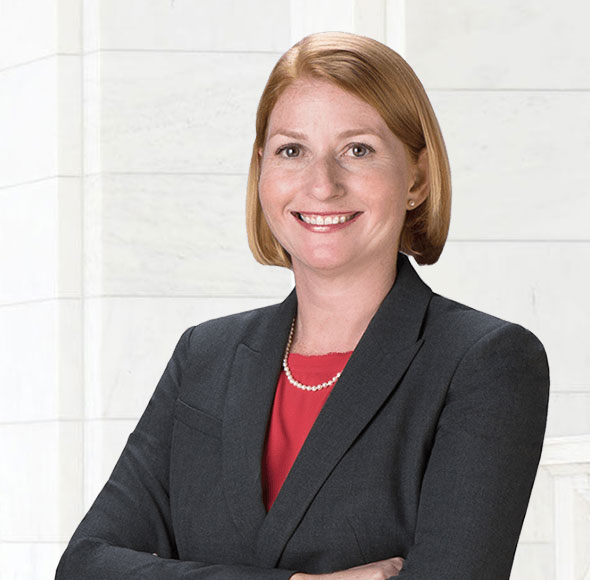
Written by Erika Valcarcel, former Assistant State Attorney in Sarasota and Manatee counties.
You can monitor your case online using the Clerk’s Court Records Search tool. It lets you check upcoming court dates, view filed documents, and confirm the status of your case. Discuss anything you see there with your attorney to make sure you’re reading it correctly.
What Cases Are Handled in the Sarasota Criminal Courts?
These courts handle a wide range of criminal matters, including:
Felonies: including many violent offenses, heard in circuit court.
Whether you’re facing charges for DUI, domestic violence, or theft, your case will likely go through these courts. Cases from Manatee County follow the same steps at the Manatee County Judicial Center; if your arrest was there, see a Bradenton criminal defense lawyer.
Here’s an overview of how a typical case moves through the criminal justice system in Sarasota. For the statewide overview, see our page on the Florida criminal court process; this page is the Sarasota-specific version.
A criminal case typically begins with an arrest or a summons. An arrest occurs when law enforcement takes you into custody based on probable cause. Alternatively, you might receive a summons or notice to appear, especially for minor offenses.
After an arrest, you’ll be booked: fingerprinted, photographed, and formally charged. Remember, you have the right to remain silent and to consult with an attorney during questioning.
2. First Appearance and Bail
If arrested, Florida law mandates a first appearance before a judge within 24 hours. During this hearing, the judge informs you of the charges, advises you of your rights, and determines bail or release conditions. Depending on the case, you might be released on your own recognizance, granted bail, or held without bond.
3. Arraignment
The arraignment is where you’re formally notified of the charges against you and asked to enter a plea: guilty, not guilty, or no contest. In many cases, your attorney can waive your appearance at this hearing. Typically, a not guilty plea is entered to allow time for case review and preparation.
4. Discovery and Pretrial Conference
Once charges are filed and your plea is entered, the case moves into the pretrial phase. This part of the process is critical, as it allows your defense attorney to evaluate the evidence and build a strategy tailored to your situation. Two important steps during this stage are discovery and the pretrial conference.
Discovery Phase
During discovery, both the prosecution and defense exchange information about the case. The prosecution provides evidence such as witness statements, police reports, and physical evidence. This phase allows your attorney to assess the strength of the prosecution’s case and prepare your defense.
Pretrial Conference
A pretrial conference is a meeting between the judge, prosecution, and defense to discuss the case’s status. Topics include plea negotiations, evidence issues, and setting trial dates. Your attorney may request continuances or file motions, such as to suppress evidence or dismiss charges.
5. Plea Negotiations
Many criminal cases are resolved through plea agreements. In a plea deal, you agree to plead guilty or no contest to a charge in exchange for a reduced sentence or other concessions. Your attorney will negotiate with the prosecution to achieve the most favorable outcome, considering factors like the strength of the evidence and your criminal history. Before you agree to anything, read what to consider before accepting a plea bargain.
6. Trial
If no plea agreement is reached, the case proceeds to trial. You can choose between a bench trial (judge-only) or a jury trial. During the trial, both sides present evidence and question witnesses. The prosecution must prove your guilt beyond a reasonable doubt. Your attorney will challenge the prosecution’s case and present your defense, and will prepare you for the questions the prosecution may ask if you testify.
7. Sentencing
If you’re found guilty or accept a plea deal, the judge will impose a sentence. Sentencing can include jail or prison time, probation, fines, community service, or other penalties. In some cases, a pre-sentence investigation may be conducted to provide the judge with more information about your background. If a prison sentence is possible, our guide to preparing for prison in Florida explains what comes next.
8. Post-Conviction Options
If you’re convicted, it doesn’t necessarily mean the legal process is over. You may still have options to challenge the outcome or reduce its impact on your future. Your attorney will help you understand which of these options may be available to you and whether pursuing them makes sense based on the details of your case.
Appeals
One option is to file an appeal. This means asking a higher court to review your case for legal errors that may have affected the verdict or sentence. Appeals are not new trials—they focus on how the law was applied in your original case. If successful, an appeal could result in a new trial, a reduced sentence, or even a dismissal.
Post-Conviction Relief
Another path is post-conviction relief. This includes legal motions such as a motion for a new trial, or a motion to vacate a conviction based on things like newly discovered evidence or ineffective assistance of counsel. These motions are filed in the same court where the conviction occurred and usually must meet strict deadlines. Other post-conviction motions can ask the court to correct or reduce a sentence.
Your attorney will help you understand which of these options may be available to you and whether pursuing them makes sense based on the details of your case.
Sarasota County Pretrial Services and Bond
At first appearance, a judge reviews the arrest and decides whether you will be released and on what terms. For many common charges, a standard bond schedule sets the starting amount, but the judge can raise it, lower it, or release you on your own recognizance. For some charges, such as domestic violence, you must stay in custody until you see the judge.
Release often comes with conditions: no contact with the alleged victim, no alcohol, a curfew, regular check-ins with a pretrial supervision program, or GPS monitoring. Violating any of them can send you back to jail and cost you your bond.
If the bond or the conditions are too strict, your lawyer can file a motion to modify them and ask for a hearing. Preparing a release plan, including proof of work, family ties, and a place to live, makes that motion much stronger.
How Long Does a Criminal Case Take in Sarasota?
Florida’s speedy trial rule, Rule 3.191, generally requires a misdemeanor to be brought to trial within 90 days of arrest and a felony within 175 days, unless the defense waives that time or asks for a continuance. In practice, many defendants waive speedy trial so their lawyer has time to review discovery, take depositions, and negotiate.
Simple misdemeanor cases often resolve within a few months, especially through diversion or a negotiated plea. Felony cases usually take longer, often six months to a year or more, depending on the evidence, the number of hearings, and whether the case goes to trial. Your lawyer can give you a realistic timeline once the State files charges.
"Valcarcel is the best you will find."
Erika Valcarcel, Criminal Defense Lawyer, P.A. is the best you will find. Erika Valcarcel is completely honest and straightforward. She took a huge burden off my shoulders many times during difficult periods of my life knowing that she was doing everything that that could and should be done. Her knowledge is extensive and her advice has always been right on the mark. She is worth every penny of the fee she charges. You cannot go wrong securing her services.
Joni A.
How Erika Valcarcel Guides You Through Each Step
Erika Valcarcel guides clients through the Sarasota criminal justice system with skill, compassion, and local experience. As a former prosecutor in these courts, she knows how local judges, prosecutors, and court staff operate, and every case starts with a strategy designed around your facts and goals.
Whether it means negotiating a favorable resolution, challenging the evidence, or representing you at trial, Erika works to protect your rights and keeps you informed at every step, so you never feel left in the dark. Her goal is to minimize the impact on your life and help you move forward with confidence.
Sarasota Criminal Court Process FAQs
Can my attorney appear in court on my behalf?
Yes, for certain hearings like the arraignment, your attorney can often appear without you.
What should I wear to court?
Dress conservatively and respectfully, as if attending a job interview.
How long will my case take?
The duration varies based on the case’s complexity, court schedules, and whether it goes to trial.
What happens if I miss a court date?
Missing a court date can lead to a bench warrant for your arrest. Contact your attorney immediately if this occurs.
Can my charges be reduced or dropped?
Depending on the evidence and circumstances, charges can sometimes be reduced or dismissed. Your attorney will work to achieve the best possible outcome.
Questions about Your Case in Sarasota? Contact Erika Valcarcel
If you’re facing criminal charges in Sarasota, don’t navigate the legal system alone. A Sarasota criminal defense lawyer can provide the guidance and defense you need.
A Criminal Charge Doesn't Have to Be Life-Changing
Erika Valcarcel Can Help You Today
If you're facing criminal charges in Sarasota or Manatee County, it is imperative that you hire a dedicated and compassionate defense attorney to protect you from the serious consequences of a conviction. Florida criminal defense attorney Erika Valcarcel is a seasoned lawyer who has experience as both a former prosecutor and a trusted criminal defense attorney. Contact us today to get started on your case.